Have you ever slipped into your favorite jeans a few days before your period
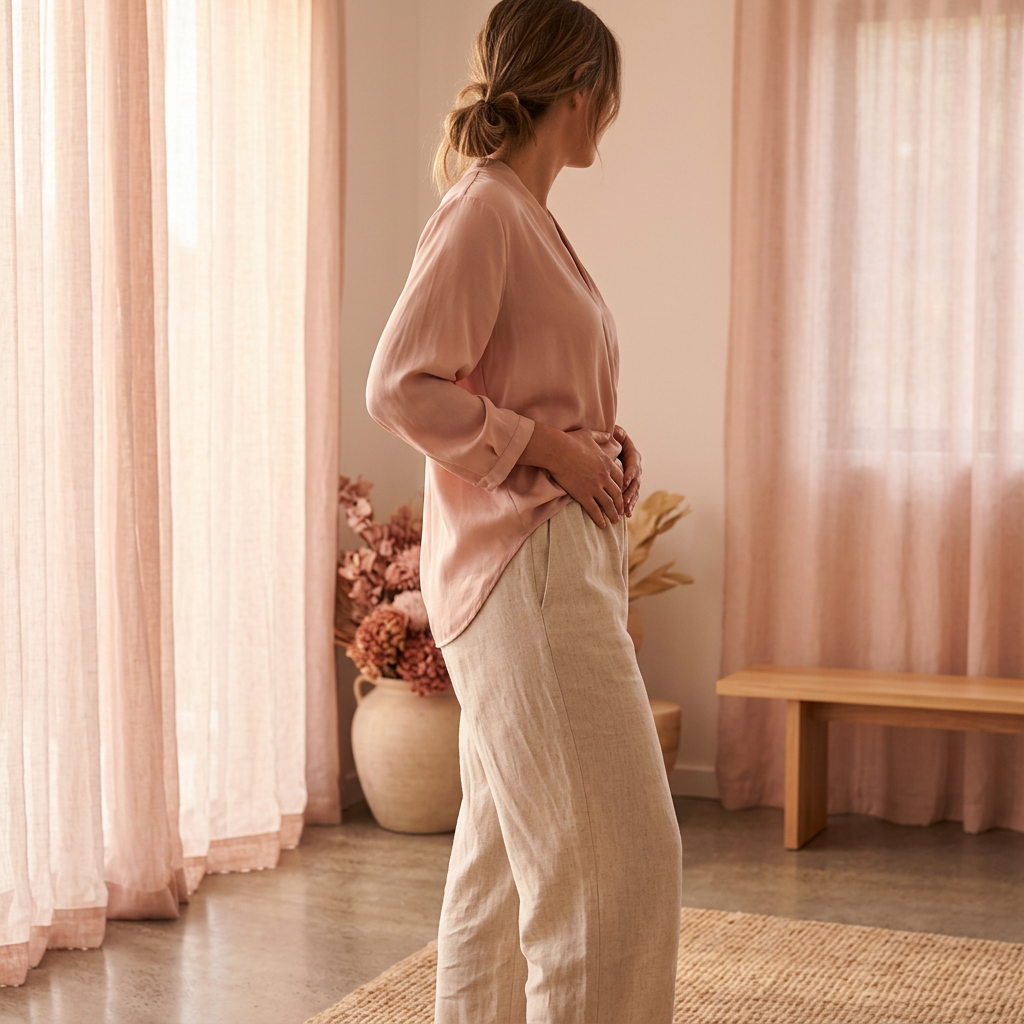
only to realize they suddenly feel tighter?
Maybe your belly feels heavier than usual.
Your rings fit differently.
You feel puffy, uncomfortable — not quite like yourself.
For many women, PMS bloating becomes more noticeable in their thirties.
And if you’ve been wondering whether it’s all in your head,
you’re not imagining it.
Hormonal shifts, rising stress, digestive sensitivity,
and the pace of everyday life
can all make premenstrual bloating feel more intense than it did in your twenties.
The good news?
Small, supportive changes can make a meaningful difference.
Quick Answer
PMS bloating may feel more noticeable in your thirties because of changes in hormone patterns, stress levels, digestion, sleep quality, and daily habits.
Supporting digestion, prioritizing balanced meals, managing stress, and creating calming daily rituals may help you feel more comfortable during the days leading up to your period.
A More Personal Perspective
Growing up in a family that valued traditional food therapy, I often heard women talk about feeling swollen, uncomfortable, or unusually heavy before their periods.
Years later, after studying nutrition, food therapy, and women’s wellness, I noticed that many women were still asking the same question:
Why does my body seem more sensitive now than it did ten years ago?
While every woman is different, PMS bloating is rarely caused by one single factor.
Instead, it often reflects a combination of digestion, stress, lifestyle habits, emotional load, and the natural hormonal shifts that occur throughout the menstrual cycle.
Why PMS Bloating Often Feels More Noticeable in Your 30s
1.Your Blood Sugar May Feel Less Forgiving
- Many women notice that skipping meals or relying on coffee alone affects them differently than it did in their twenties.
- Increased cravings
- Afternoon energy crashes
- Digestive sluggishness
- Feeling puffier before a period
2.Stress Has a Bigger Impact Than We Realize
Career demands, family responsibilities, relationships, and constant digital stimulation can all influence how the body feels during the luteal phase.
3.Hormonal Changes Feel More Noticeable
Hormonal fluctuations naturally influence water retention, digestion, appetite, mood, and energy levels.
4.Digestion May Become More Sensitive
Many women report that foods they once tolerated easily begin affecting them differently.
Four Gentle Ways to Support PMS Bloating
1.Start the Day with a Nourishing Breakfast
- Oatmeal with chia seeds
- Eggs with vegetables
- Greek yogurt and berries
- Tofu scramble with sweet potato
2.Choose More Warm, Cooked Foods
Traditional food therapy often encourages warm, cooked meals when digestion feels sluggish.
3.Prioritize Gentle Movement
Walking, stretching, yoga, and mobility exercises may feel more supportive than intense workouts during this phase.
4.Create Space for Rest
Sometimes the body asks for less, not more.
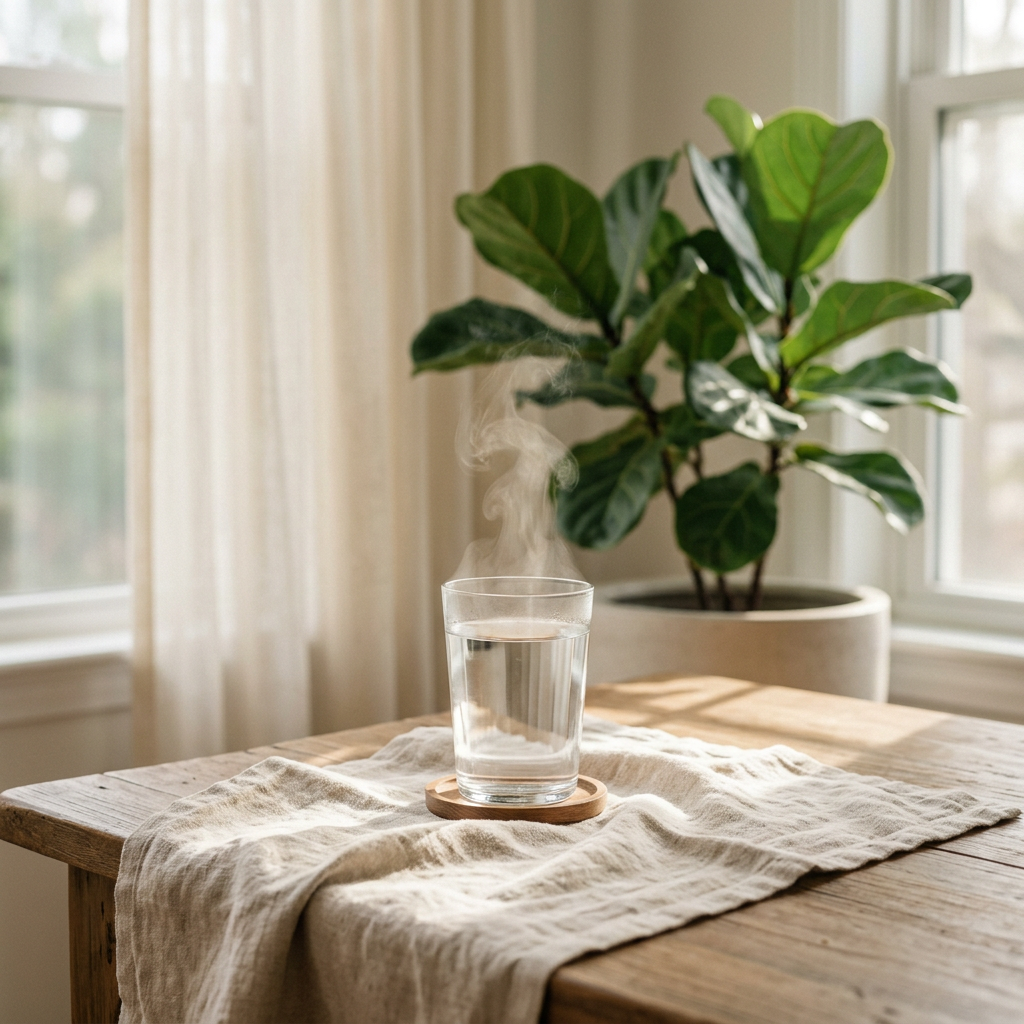
Tracy’s PMS Comfort Tea
Ingredients
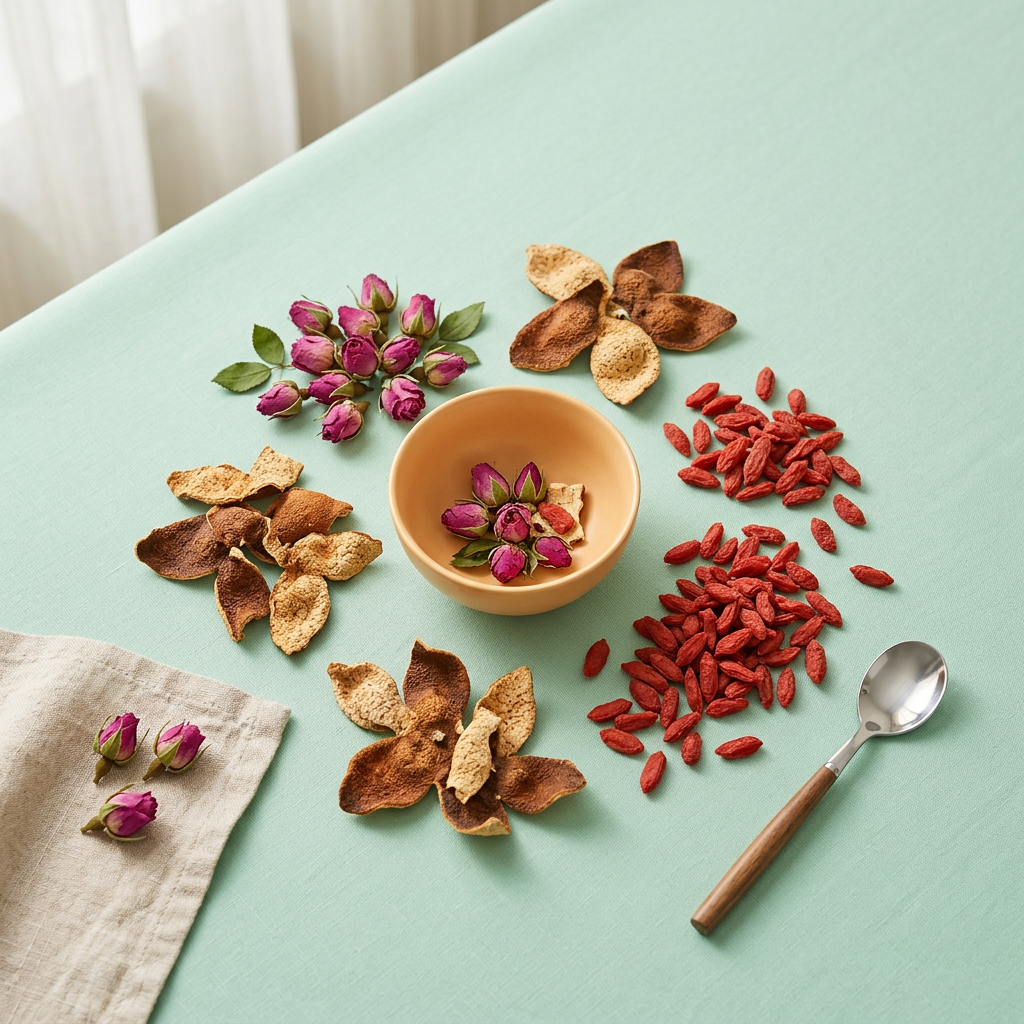
- 3 dried rose buds
- 1 teaspoon dried tangerine peel
- 2 red dates
- 1 teaspoon goji berries
Directions
Place all ingredients in a mug or teapot. Pour hot water over the ingredients and steep for 8–10 minutes.
Enjoying the Ritual
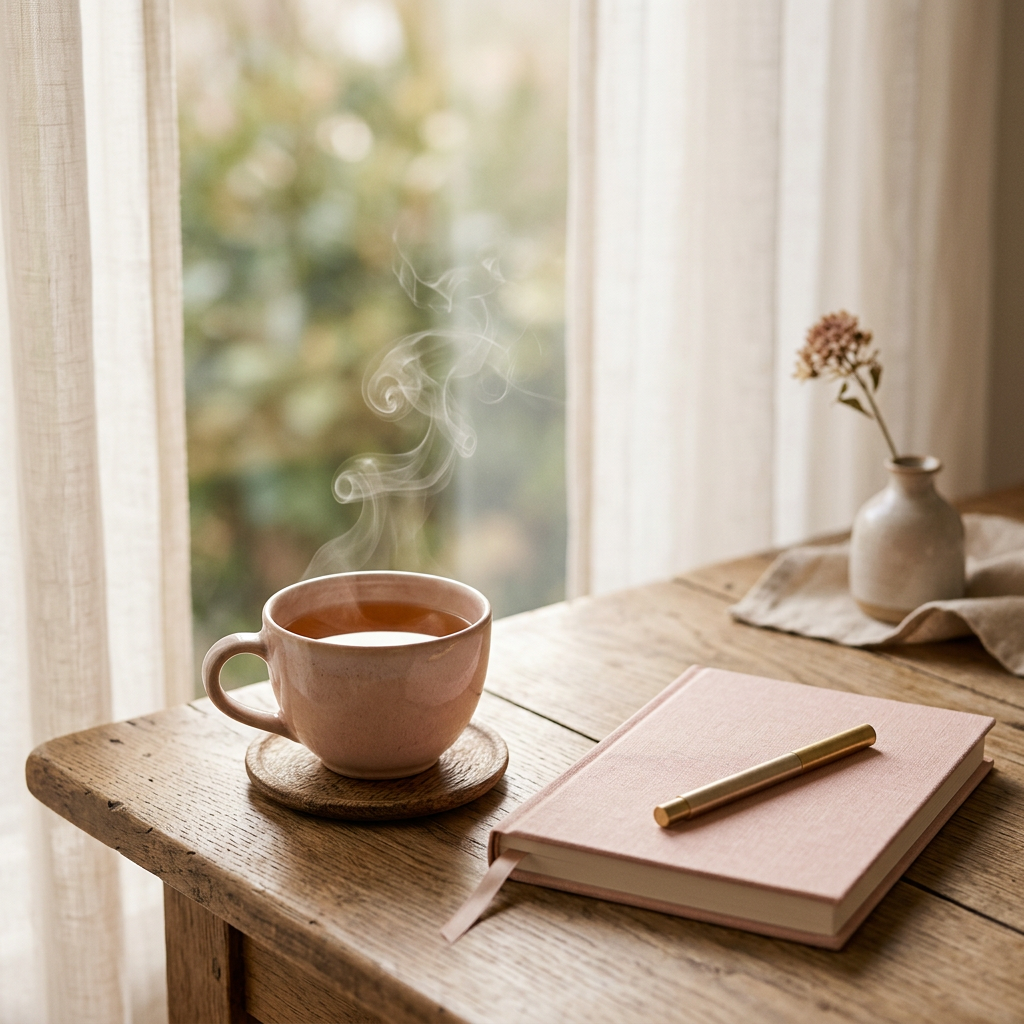
Many women enjoy this tea as part of a quiet evening routine during the days leading up to their period.
A Gentle Evening Routine for PMS Bloating
- Prepare a warm cup of herbal tea.
- Put your phone on silent mode.
- Take five slow belly breaths.
- Stretch your hips and lower back.
- Ask yourself what your body needs most today.
Free Resource
21-Day Tea Ritual Guide for Women’s Wellness
Explore nourishing tea recipes, daily wellness rituals, seasonal food therapy ideas, and simple self-care practices.
Frequently Asked Questions
Why does PMS bloating seem worse in my 30s?
Many women notice that stress, digestion, sleep quality, and hormonal fluctuations become more noticeable during this stage of life.
Can stress influence bloating?
Many women report that periods of higher stress often coincide with increased digestive discomfort.
When should I speak with a healthcare professional?
If symptoms are severe, persistent, or affecting your quality of life, seek personalized advice from a qualified healthcare professional.
About Tracy Luo
Tracy Luo is a nutrition educator, food therapy practitioner, and women’s wellness writer.
Raised in a family influenced by traditional Lingnan food culture, she combines modern nutrition principles with time-honored food therapy traditions to create practical and approachable wellness guidance for women.
Through Nourish Her Within, Tracy shares nourishing recipes, tea rituals, lifestyle practices, and educational resources designed to help women feel more connected to their bodies and daily routines.